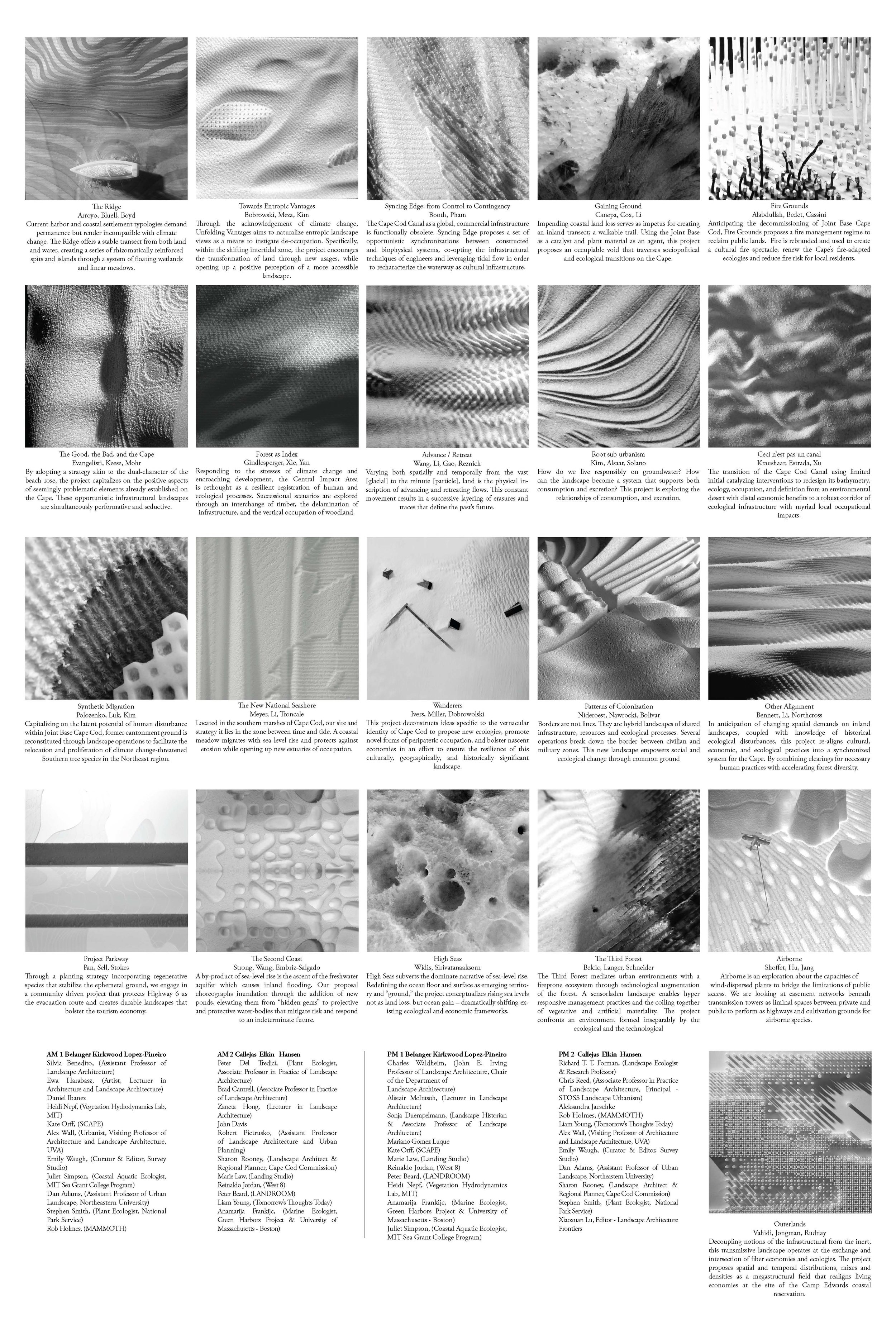
Ceci n'est pas un canal ('This is not a canal')
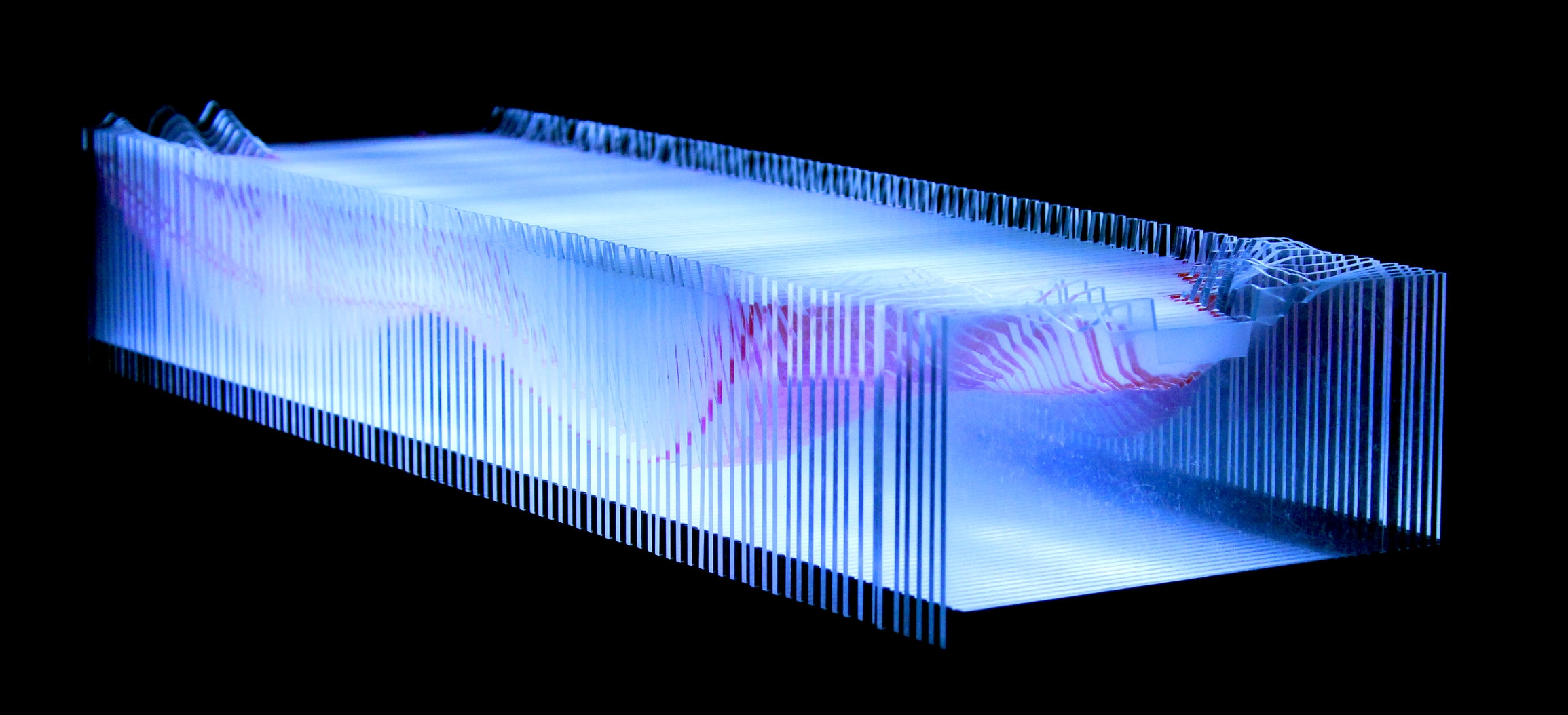
Conceptual Temporal Model of the Morphology of the Cape Cod "Canal"
Under the Instruction of Andrea Hansen | Fall 2014
Cape Cod, MA
In collaboration with Bradley Kraushaar, BA '03, MA '08, MLA '16 and Xu Han, BE '13, MLA '16
—
Historical records show that the idea of a canal was first conceived as early as 1623 in the Plymouth Colony, where Pilgrims scouted the Manomet and Scusset rivers for potential routes. After centuries of failed attempts, construction finally began in 1909, funded privately by the Cape Cod and New York Canal Company. However, as modern vessels like the New Panamax continue to grow in size, the canal faces projected obsolescence.
The proposed transition of the Cape Cod Canal utilizes targeted interventions, including the introduction of subterranean and inter-tidal flora, to redesign its bathymetry and ecology. This shift moves the canal away from being an input-intensive "environmental desert" and toward a robust corridor of ecological infrastructure that offers significant local benefits.
Initial Site Analysis
Plants Species Attribute Analyses:


Spartina Alterniflora, Growth Analysis
Zostera Marina, Growth Analysis
Spartina + Zostera, Growth Analyses

Algorithmic Analysis of the Plant Species' Colonization Logic
Spartina + Zostera, Distributional Growth and Colonization Simulation + Visualization:

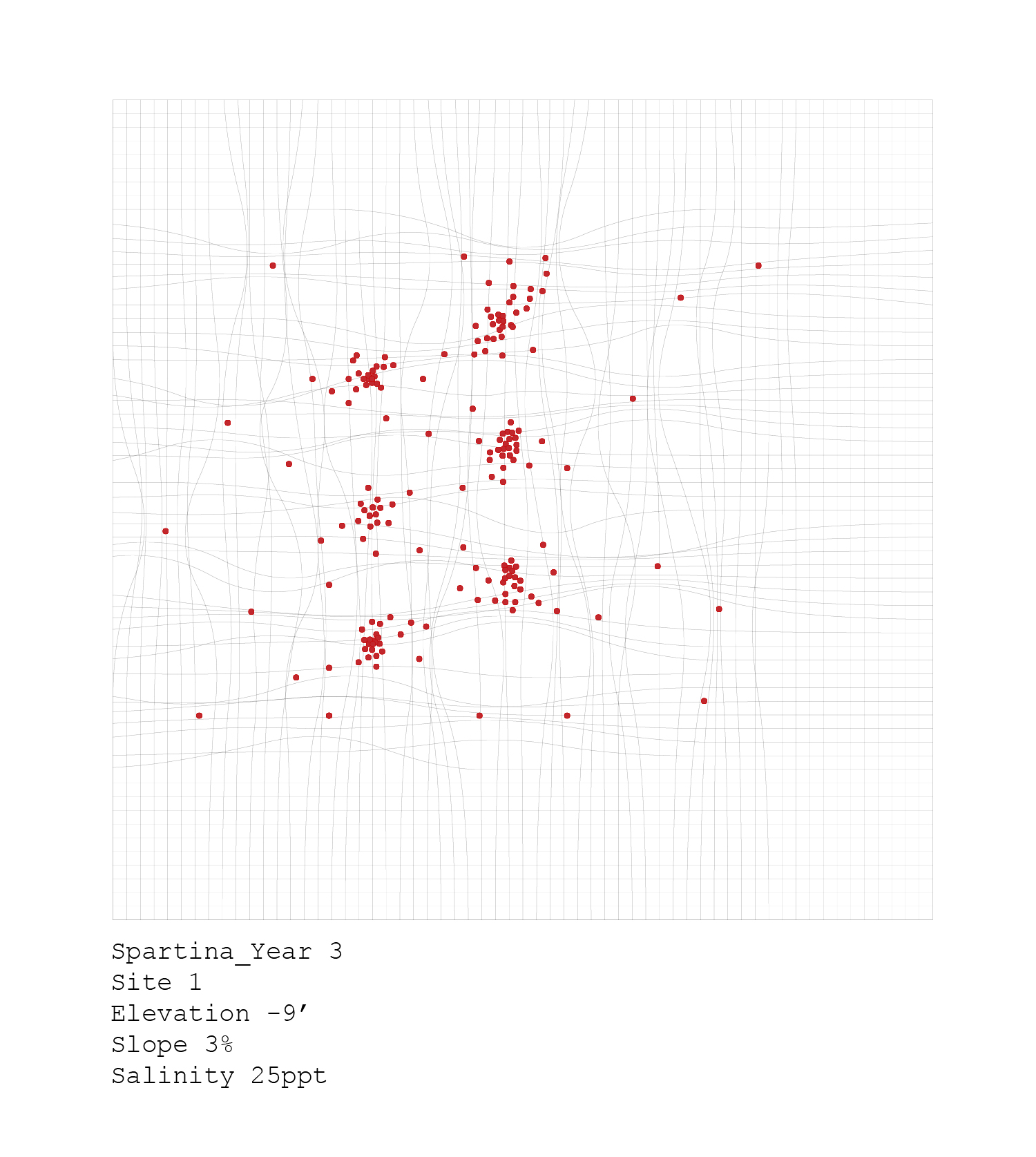
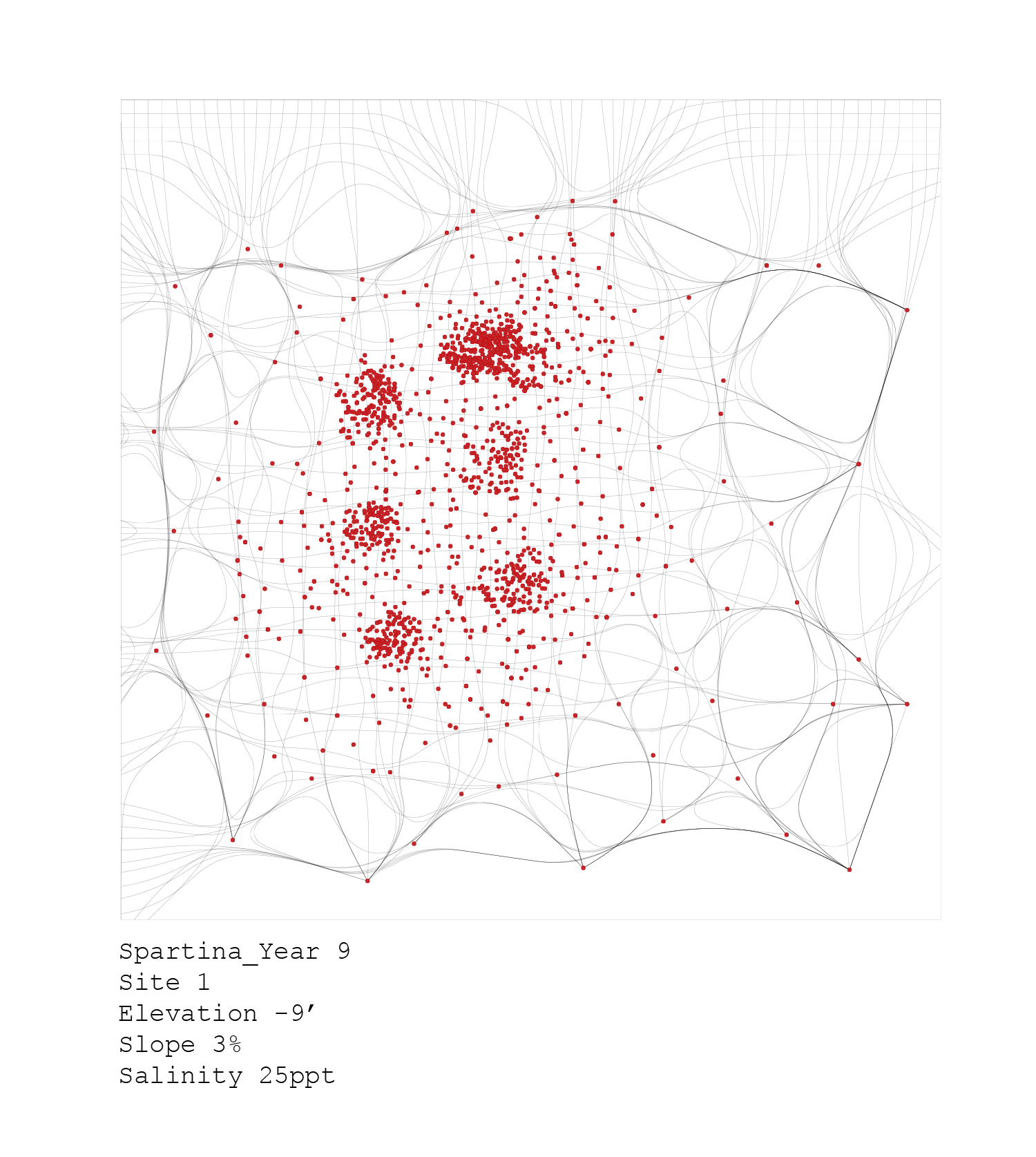


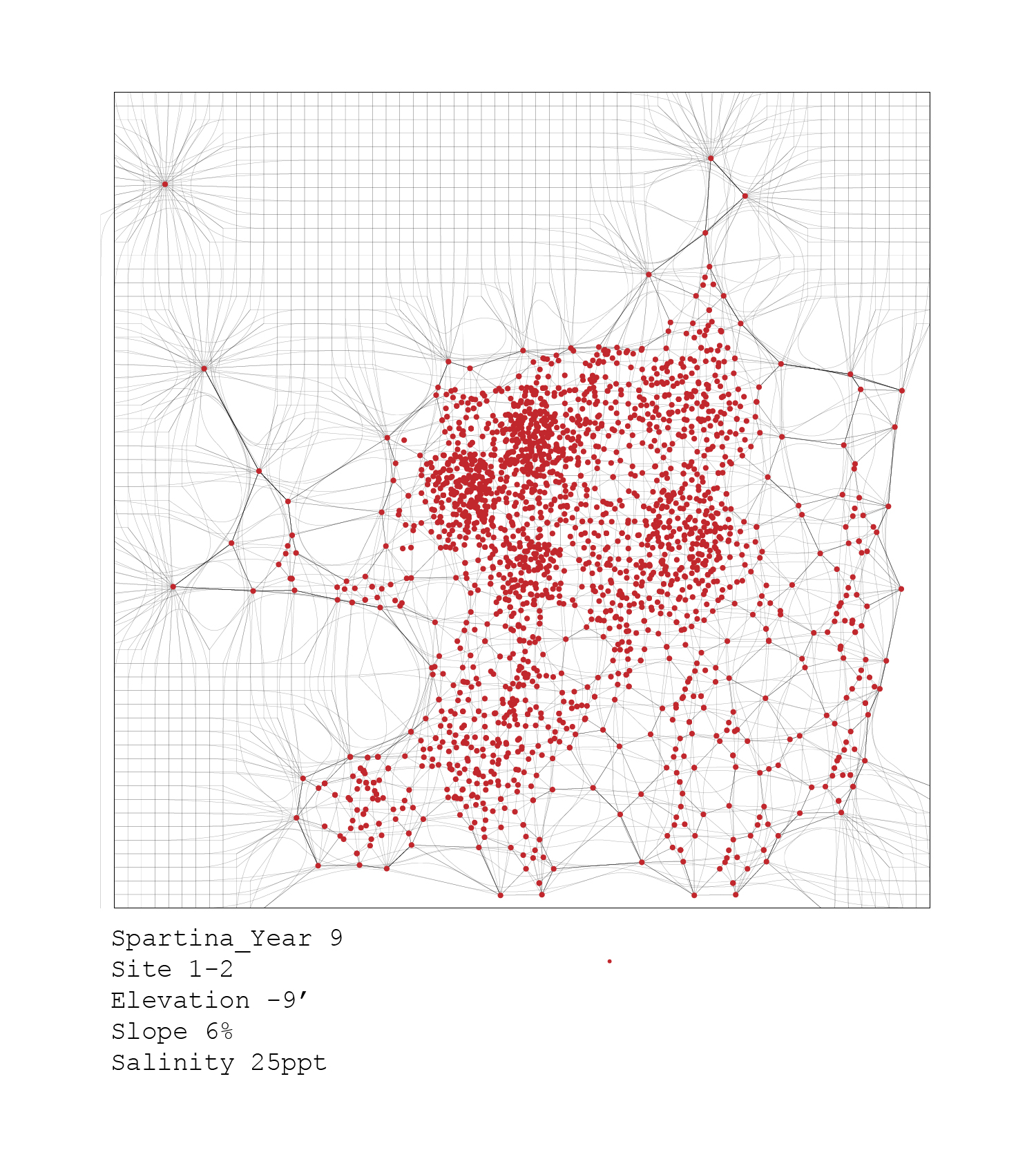
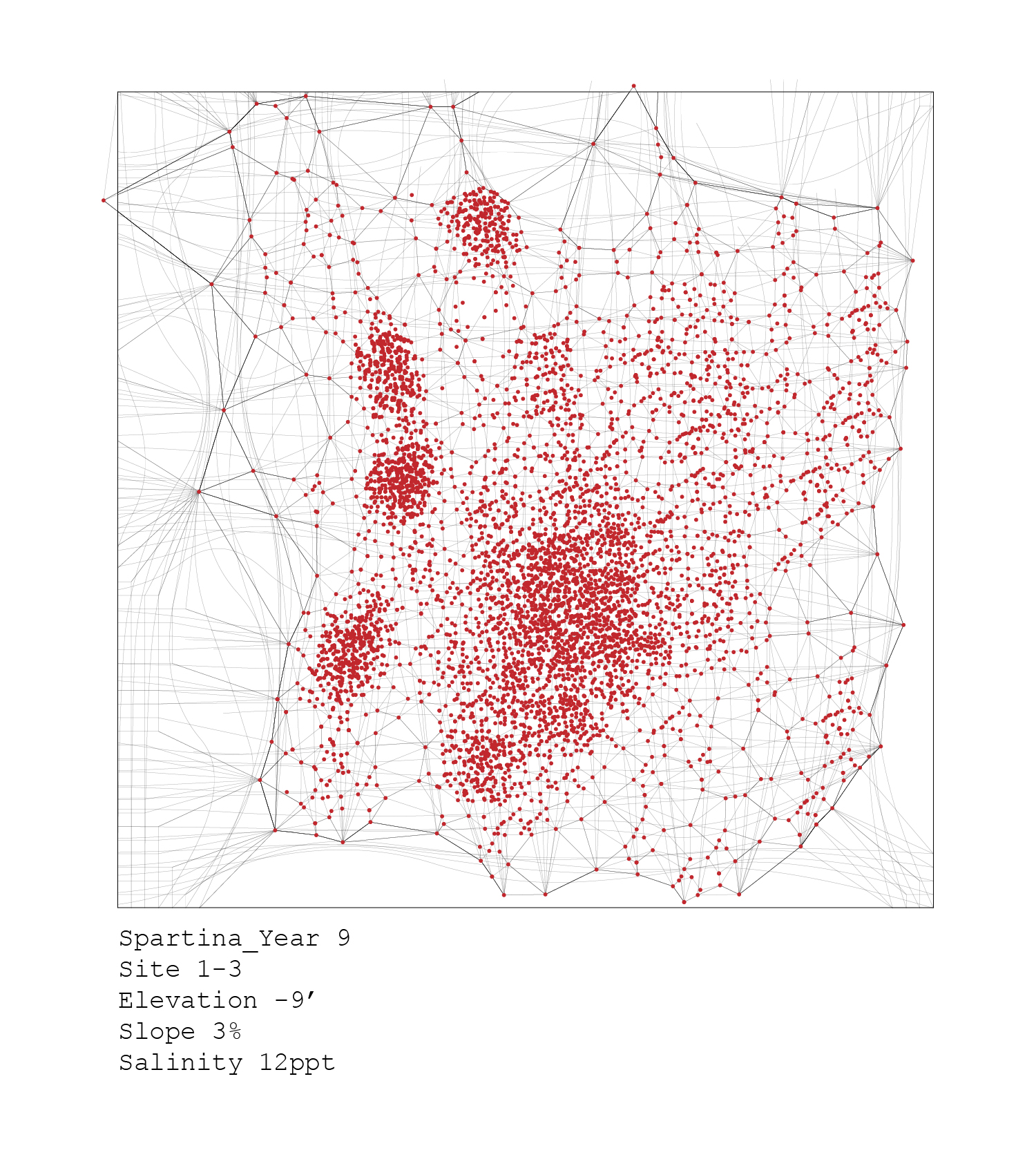


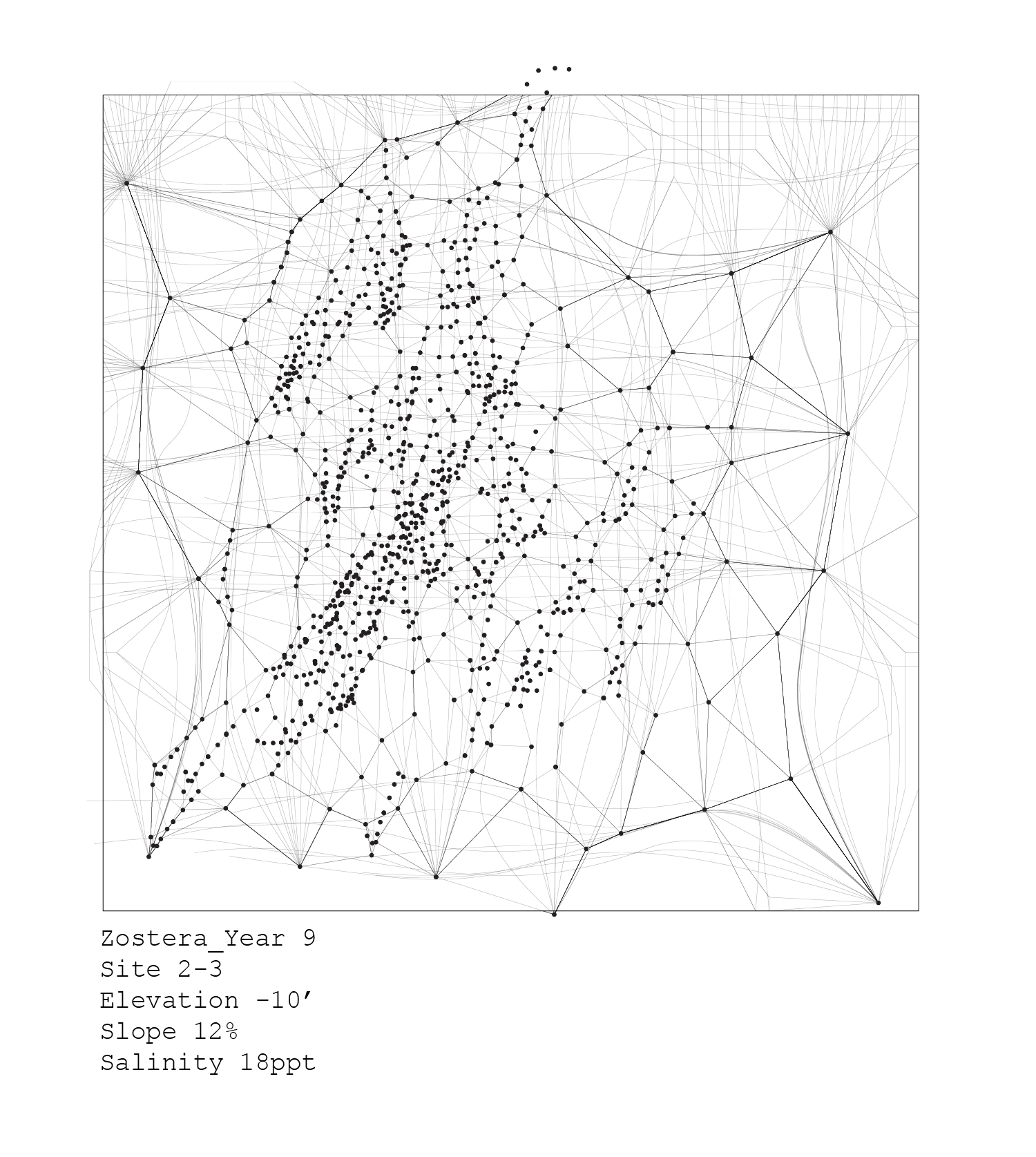


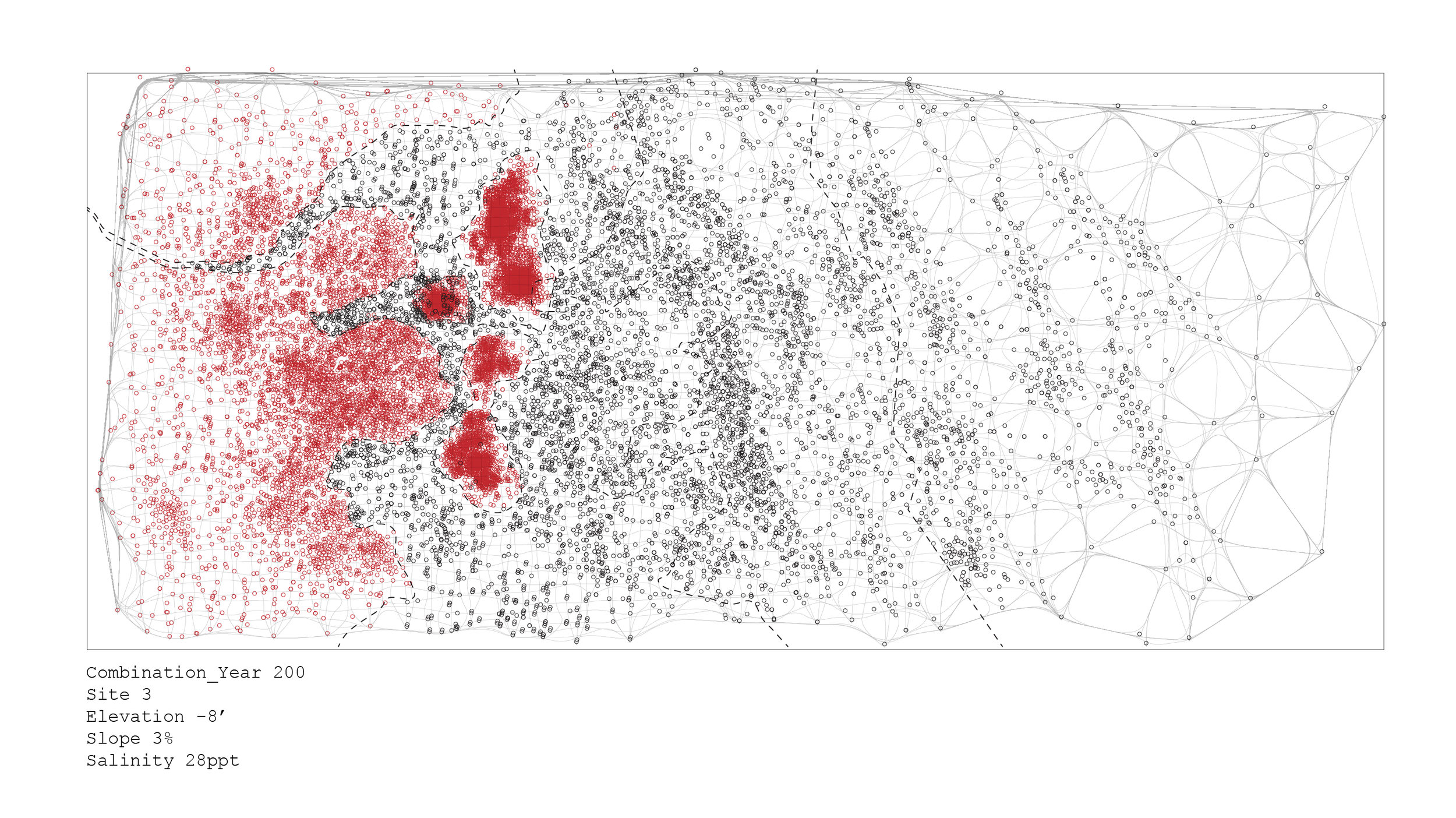


Temporal Seeding/Deployment of the Plant Species on Site
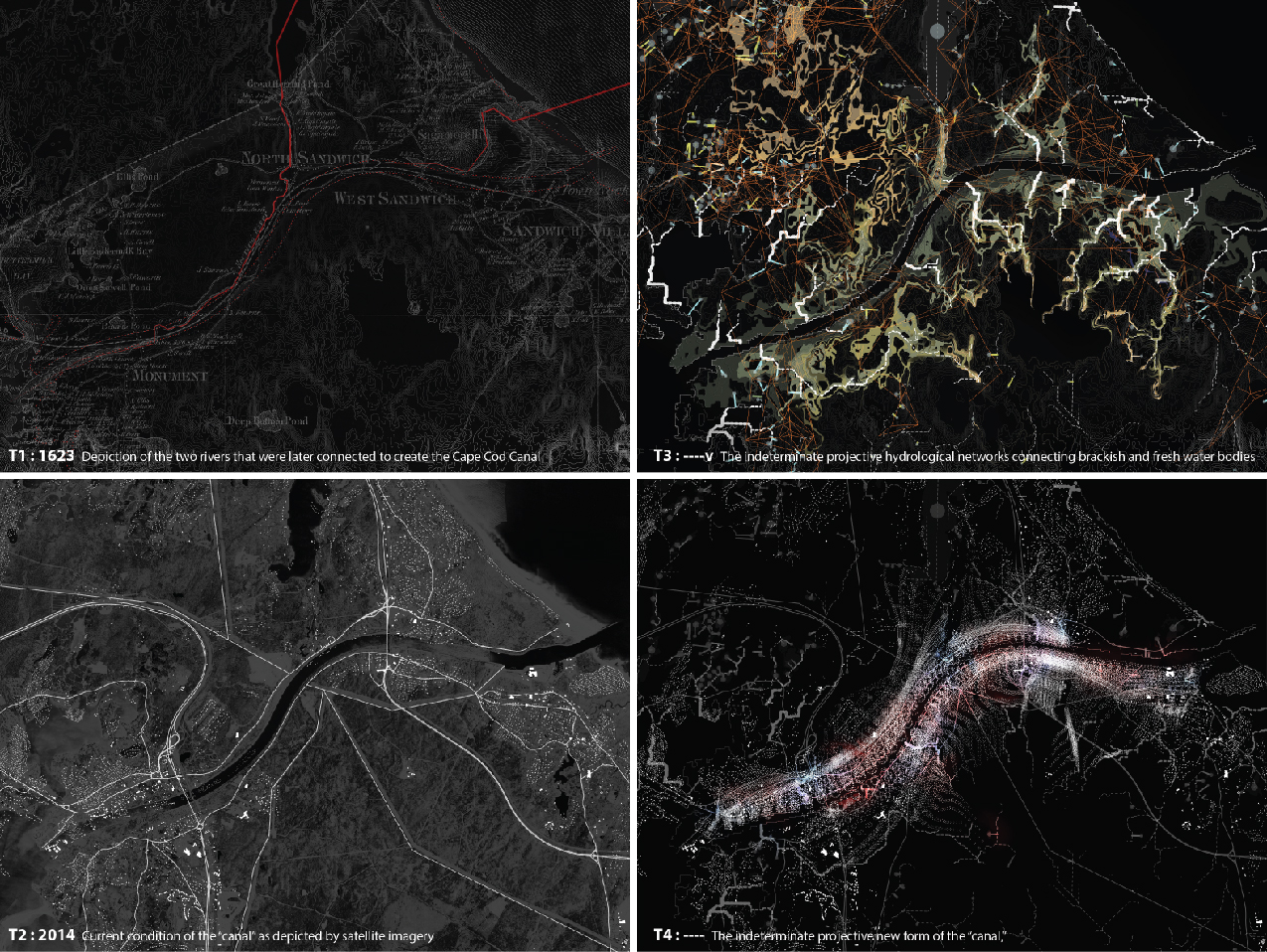
Temporal Plans of the Cape Cod "Canal"

Temporal Topographic Morphology Study

Militaristic Aerial Perspective above the Cape Cod "Canal"

Aerial Perspective

Underwater Perspective
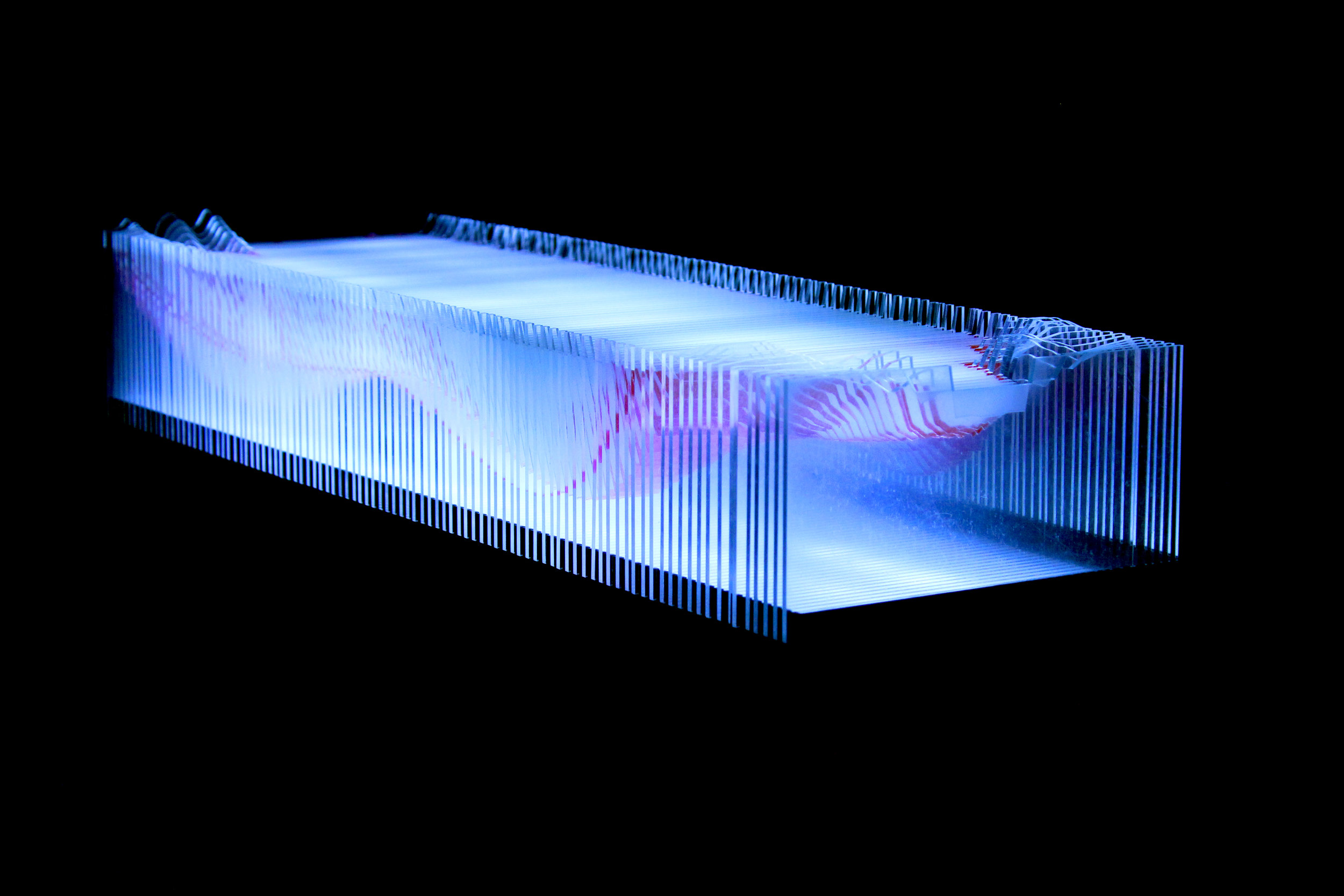


Final Review of Ceci N'est Pas Un Canal, with Kate Orf, photo courtesy of Robert Tangstrom